
Installation of a non-return valve in sewer systems
Non-return valve installation project for wastewater sewer systems in Barcelona
Non-return valve for wastewater sewer systems
Non-return valves, also known as check valves, one-way valves or non-return check valves, are designed to completely stop the flow of a fluid in one direction, whether gas or liquid, while allowing it to pass freely in the opposite direction. Their advantage is that the disc or obturator only needs to travel a short distance to reach the fully open position. It has the advantage of requiring only minimal disc or obturator travel to reach the fully open position.
They are used when a pipeline in service needs to remain pressurised while the supply is depressurised. Fluid flowing from the inlet towards the outlet can pass freely, while flow in the opposite direction is blocked. They are also commonly referred to as one-way valves.
Non-return valves are widely used in pipework connected to pumping systems to prevent water hammer, particularly in the pump discharge line.
Image gallery

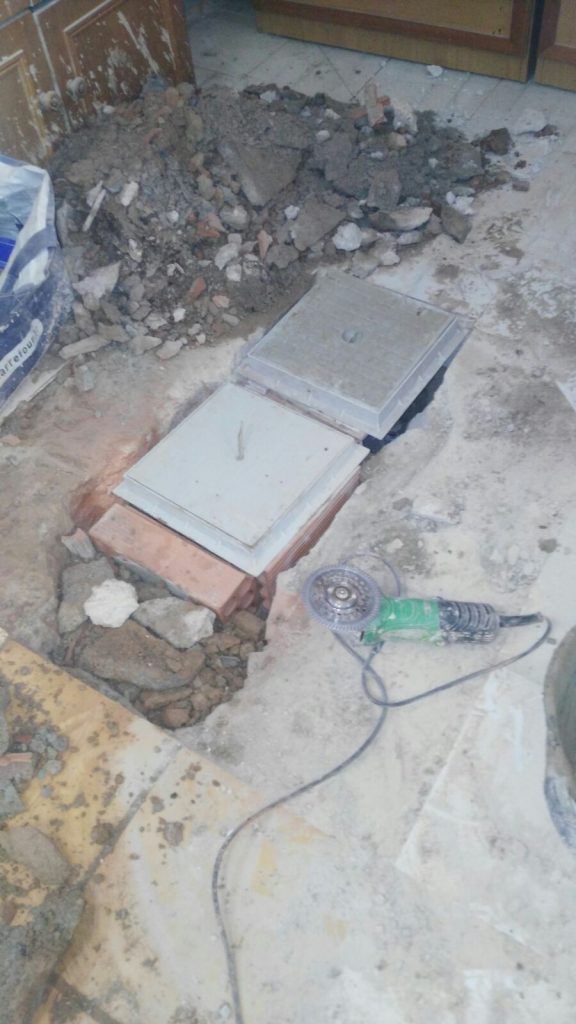
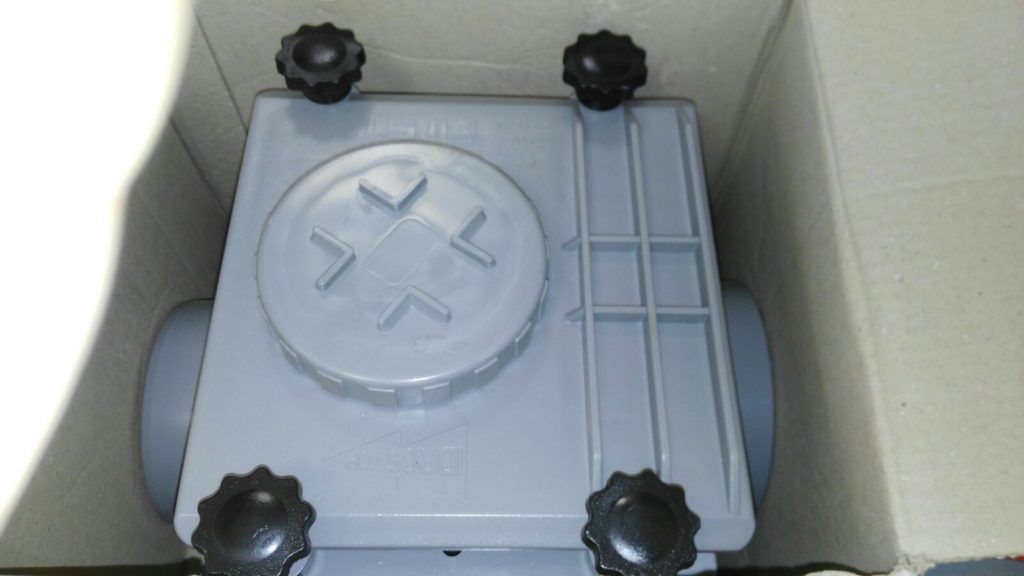
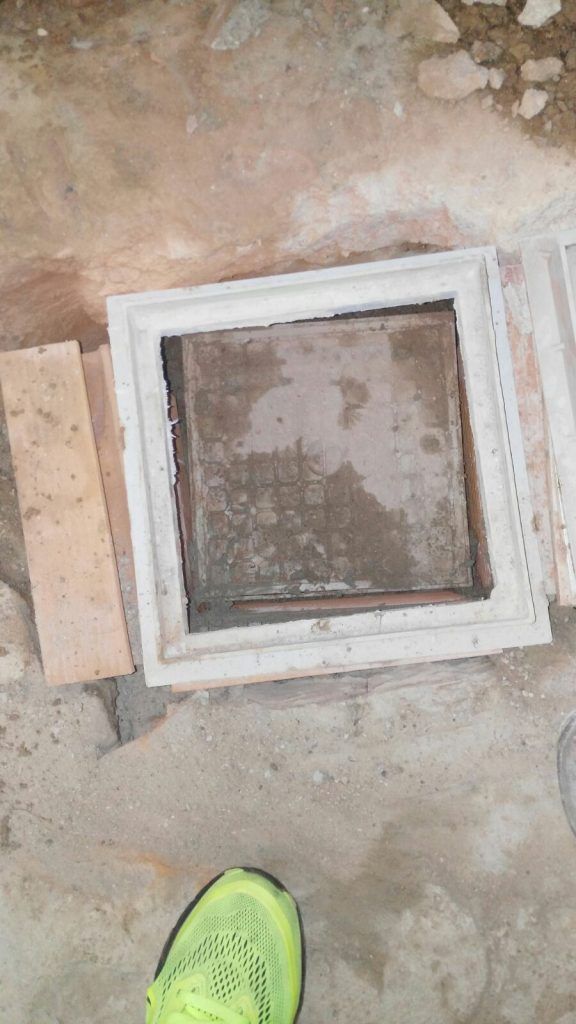
Types of valves:
Swing check valve
A swing check valve uses a hinged flap as the closure element and shuts off the flow by gravity when the fluid travels in the undesired direction (see the figure above). These valves operate by gravity and must therefore be installed in a specific position.
Spring-loaded check valve
These valves do not need to be installed in a specific position, as their operation does not depend on gravity. There are two types.
In the first type, a spring calibrated to a specific pressure holds a closure element against a sealing ring. The water pressure overcomes the resistance of the spring, allowing the fluid to pass through, but the spring closes the valve when the fluid flows in the opposite direction.
The other type, known as a dual-plate check valve, consists of two semi-circular plates that rotate about a shaft and close the passage when aligned. A spring holds them in position but does not contribute to the sealing action. It produces a lower pressure loss than the previous type, although its seal is less watertight.
Piston check valve
A piston fitted with a closure element rests against the sealing ring and is housed within a cylindrical chamber. When the fluid flows in the correct direction, it lifts the piston. When the flow reverses, the piston seats against the ring. The shape of the piston seat allows the reverse water pressure to press the closure element firmly against the sealing ring. As with the first type, it must be installed in the correct position, as it also operates by gravity.
Ball check valve
This is a special type used at the ends of well extraction pumps. For example, a ball rests against the sealing ring. When the pump draws water from the tank or well, the ball rises and moves into a side chamber so that it does not obstruct the flow. When the pump stops, the ball returns by gravity to its closed position, preventing the pipe from emptying.
Further information: Wikipedia


